
Struggling For Creative Expression Ideas? 50+ Activities That Actually Work for Kids Who Learn Differently
Finding creative expression activities that truly connect with your child who learns differently can feel overwhelming. You want activities that celebrate their unique way of seeing the world while building confidence and joy. The good news? There are countless ways for your child to express their creativity, and we've gathered over 50 activities that have brought smiles, breakthroughs, and pure excitement to children with diverse learning needs.
Every child deserves to feel seen, supported, and celebrated for their individual gifts. These activities aren't just fun—they're powerful tools for communication, skill development, and self-discovery that honor how your child learns best.
Art-Based Expression Activities
Visual Arts That Spark Joy
Your child's artistic journey can take many beautiful forms. Finger painting offers sensory-rich expression without the pressure of perfect brushstrokes. Watercolor exploration lets them watch colors blend and flow naturally, creating magical effects that often surprise and delight. Clay modeling provides therapeutic benefits while strengthening fine motor skills—your child can create anything from simple shapes to elaborate sculptures at their own pace.
Mixed Media Magic
Collage work using magazines, fabric scraps, and natural materials removes the pressure of creating something from scratch. Your child can combine textures, colors, and patterns in ways that feel right to them. Texture painting with sponges, cotton balls, or bubble wrap adds sensory elements that many children with different learning needs find soothing and engaging.
Adaptive Art Techniques
Consider large-grip brushes, adaptive scissors, or painting with feet for children with motor challenges. Vertical easel painting can be easier for some children than traditional table work. Remember, there's no wrong way to create art—your child's unique approach is exactly what makes their work special.

Movement and Music Expression
Musical Creativity
Music provides a universal language for expression. Encourage your child to create their own songs using simple instruments like drums, shakers, or even pots and pans. Singing familiar tunes with new words about their day or feelings helps process emotions. Music therapy techniques like call-and-response games build communication skills naturally.
Dance and Movement
Free-form dancing to different genres helps your child explore how music makes them feel. Ribbon dancing adds visual beauty to movement, while simple choreography to favorite songs builds memory and sequencing skills. Many children find yoga movements combined with storytelling both calming and expressive.
Sound Exploration
Creating instruments from household items—rice in containers for shakers, rubber band guitars, water glasses for different tones—combines creativity with science discovery. Sound scavenger hunts encourage listening skills while exploring their environment.
Sensory-Rich Creative Activities
Tactile Exploration
Kinetic sand offers endless possibilities for creating shapes, patterns, and miniature worlds. Play dough experiments with different scents, colors, and add-ins like glitter or small objects provide rich sensory input. Sensory bins filled with rice, beans, or pasta become canvases for hidden treasure games and imaginative play.
Texture Art Projects
Creating texture boards with various fabrics, sandpaper, foil, and natural materials helps children explore different sensations while making art. Sensory painting using pudding, shaving cream, or finger paints in ziplock bags provides mess-free creative exploration for children sensitive to textures.
Calming Sensory Activities
Zen gardens made with sand trays and small rakes offer peaceful, repetitive creative motions. Making sensory bottles with oil, water, glitter, and small objects creates beautiful, calming visual tools your child can shake and watch.
Building and Construction Fun
Open-Ended Building
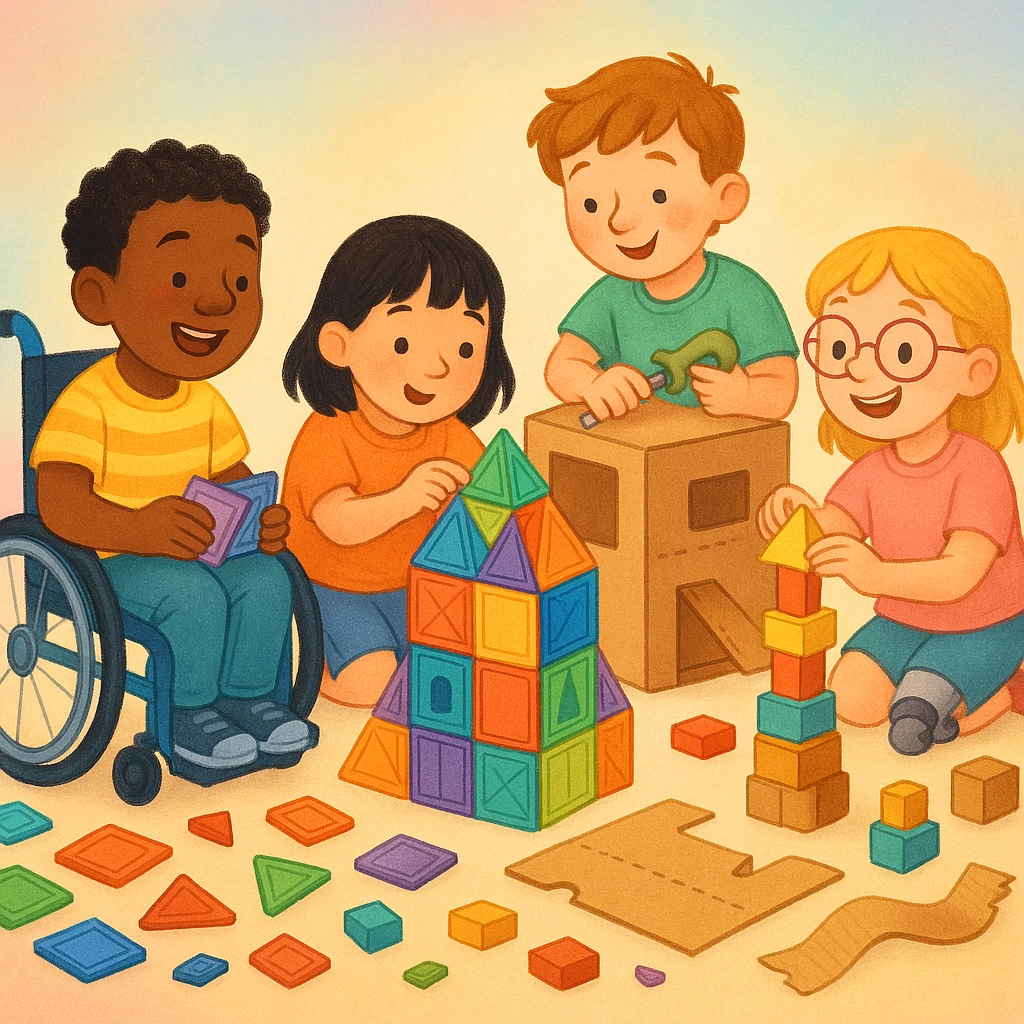
Blocks, magnetic tiles, and construction toys encourage spatial thinking and problem-solving. Your child can build anything they imagine—castles, vehicles, abstract sculptures, or replicas of places they love. The key is following their interests and celebrating their unique architectural vision.
Engineering Challenges
Simple challenges like building the tallest tower or creating a bridge between two points encourage creative problem-solving. Using everyday materials like cardboard tubes, tape, and recyclables makes engineering accessible and environmentally conscious.
Collaborative Building
Working together on building projects strengthens social skills while creating shared accomplishments. Your child can direct the project while you help implement their vision, building confidence in their leadership abilities.
Digital and Technology Expression
Digital Art Creation
Tablet apps designed for creative expression remove barriers like hand strength or fine motor challenges while maintaining the joy of creating. Many children find digital art less overwhelming than traditional materials, allowing their creativity to flow more freely.
Photography Projects
Whether using a camera, tablet, or phone, photography helps your child see the world through their unique perspective. Nature photography, family portraits, or abstract compositions all validate their way of viewing the world.
Video Creation
Simple video projects like stop-motion animation using toys or claymation help your child tell stories in dynamic ways. Many children who struggle with traditional writing find video storytelling more natural and engaging.
Nature-Based Activities
Outdoor Art Exploration
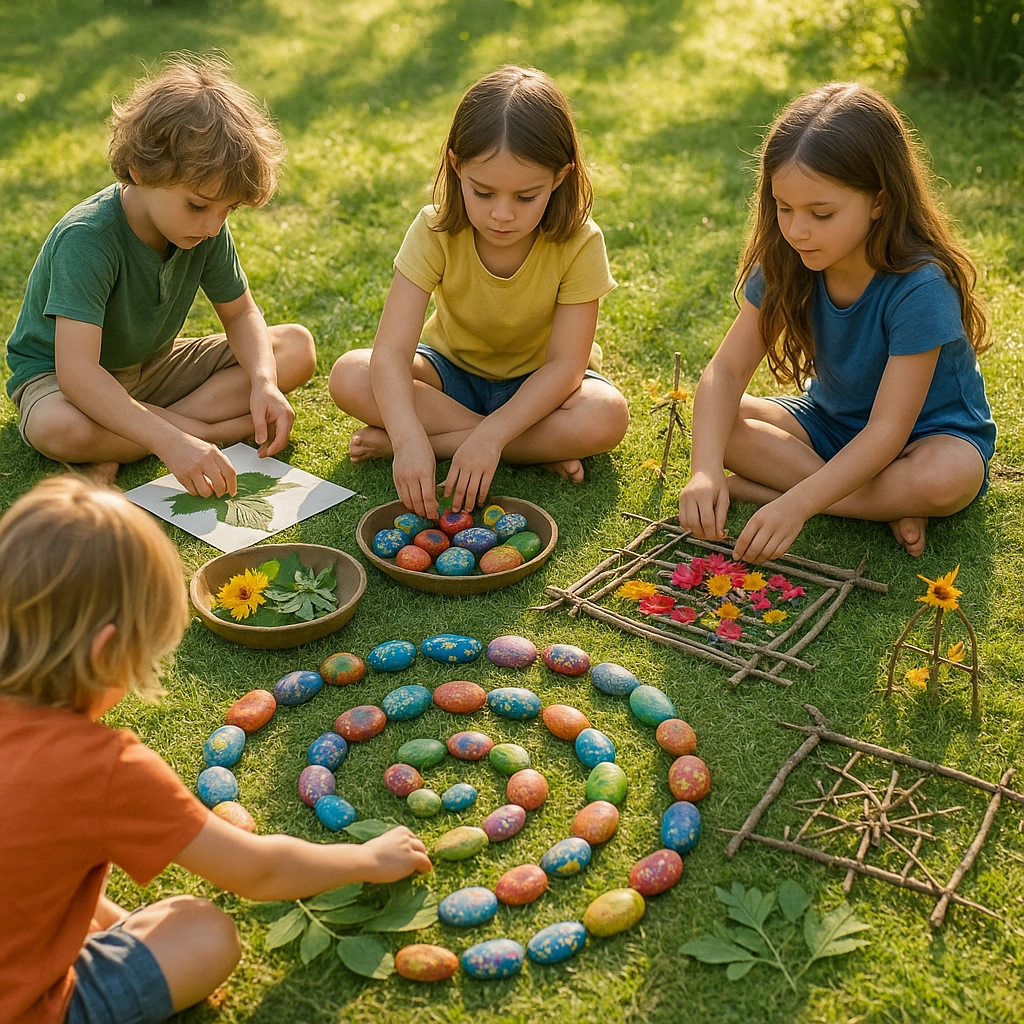
Nature provides endless creative materials—leaves for printing, flowers for natural dyes, stones for painting, and sticks for sculpture. Rock painting has become a community activity where children can leave their creations for others to discover.
Garden Creativity
Planning and planting a garden combines science, art, and patience. Your child can design layouts, choose colors, and watch their creative vision grow over time. Even small container gardens provide this satisfaction.
Natural Science Art
Collecting and organizing natural specimens like leaves, flowers, or shells combines scientific observation with artistic arrangement. Creating nature journals helps document seasonal changes while building observation skills.
Dramatic Play and Storytelling
Imaginative Role Play
Costume boxes, puppet shows, and pretend play scenarios help your child explore different perspectives and emotions safely. Simple props can transform your living room into any setting their imagination creates.
Story Creation
Whether through pictures, words, or recorded stories, narrative creation helps your child process experiences and explore possibilities. Comic strips, picture books, or audio recordings all honor different communication strengths.
Theater Activities
Simple plays, whether solo performances or family productions, build confidence while exploring emotions and relationships. Your child can be director, actor, and audience all in one.
Writing and Literary Expression
Alternative Writing Methods
Not all writing needs to happen with pencil and paper. Letter stamps, magnetic letters, typing on devices, or even tracing letters in sand all build literacy while honoring different learning needs.
Creative Journaling
Art journals, photo journals, or voice recording journals provide outlets for daily reflection without the pressure of perfect writing. Your child can combine pictures, words, and symbols in whatever way feels natural.
Poetry and Word Play
Simple rhyming games, acrostic poems using their name, or creating new words for familiar concepts can make language fun and accessible. Many children who struggle with traditional writing find poetry more approachable.
Supporting Your Child's Creative Journey
Remember that the goal isn't perfection—it's expression, joy, and building confidence in your child's unique abilities. Some activities will be instant hits, while others might need modification or might not appeal to your child at all, and that's perfectly okay.
Pay attention to what sparks genuine interest and excitement in your child. Their preferences will guide you toward the activities that will be most beneficial and enjoyable. Celebrate every creative attempt, no matter how small or different from your expectations.
Your child's creative expression is as unique as they are, and every mark, movement, sound, or creation is valuable. By offering diverse opportunities and following their lead, you're helping them discover and develop their own creative voice.
These activities aren't just about keeping your child busy—they're about honoring their way of learning, celebrating their perspective, and building confidence in their abilities. Your patient, enthusiastic support makes all the difference in helping your child feel truly seen and valued for exactly who they are.

